Ayuntamiento de Ronda (Turismo de Ronda)
Arab Baths of Ronda
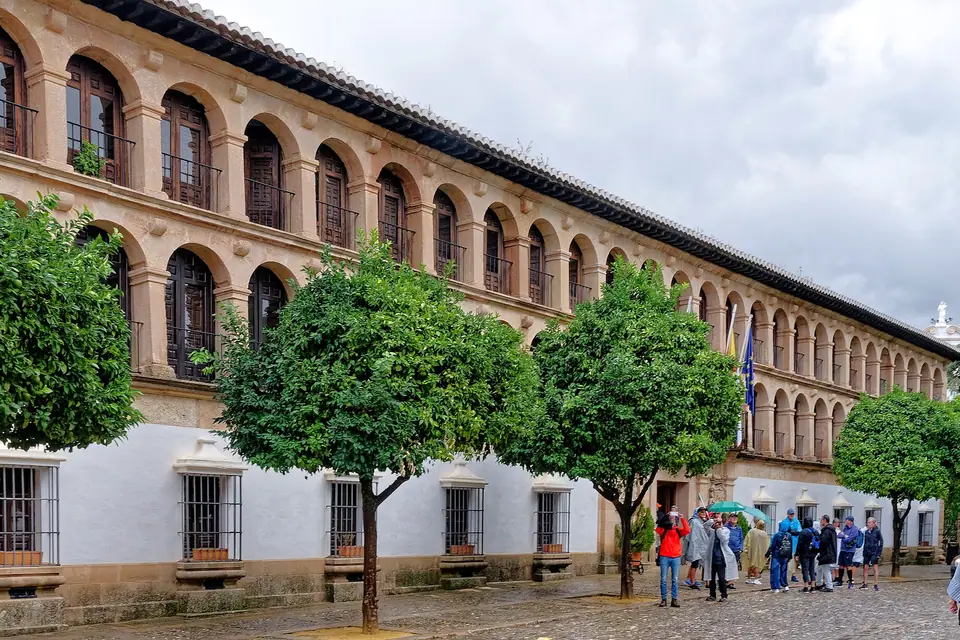
Well-preserved 13th-14th-century Arab baths beside the Guadalevín river.
Not rated yet
Towns of Málaga · Ronda and the Serranía
Also known as Ronda
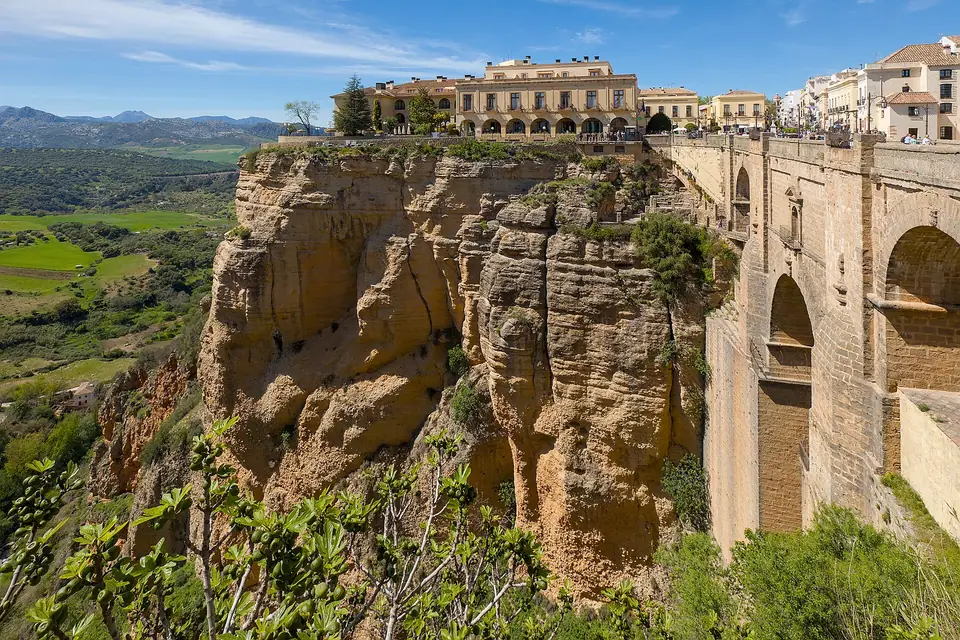
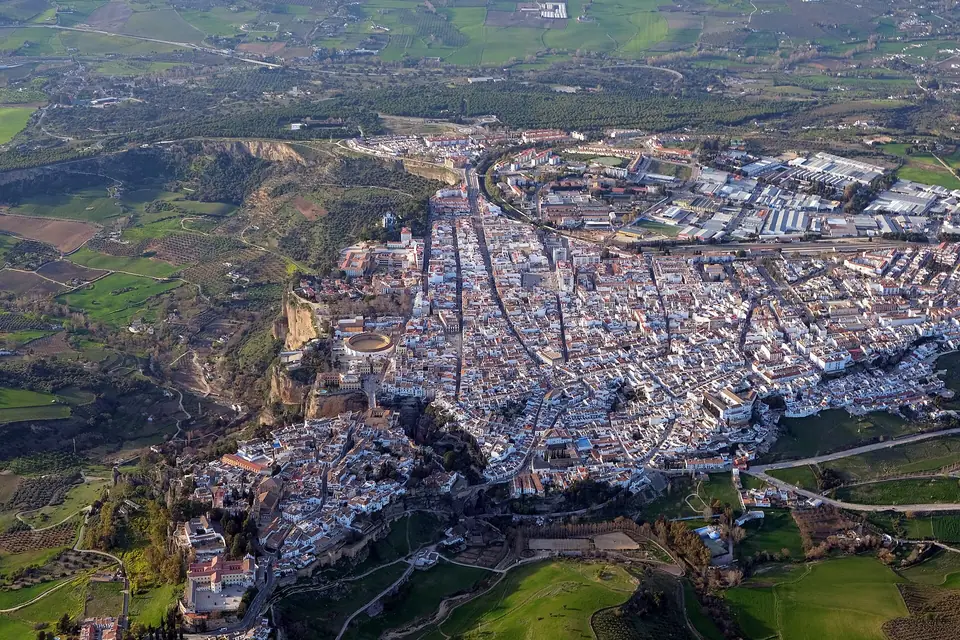
A city at 723 metres split in two by a gorge, with a bridge, bullring and Arab baths.
0/13No stamps yet; 13 towns still ahead. See my passport
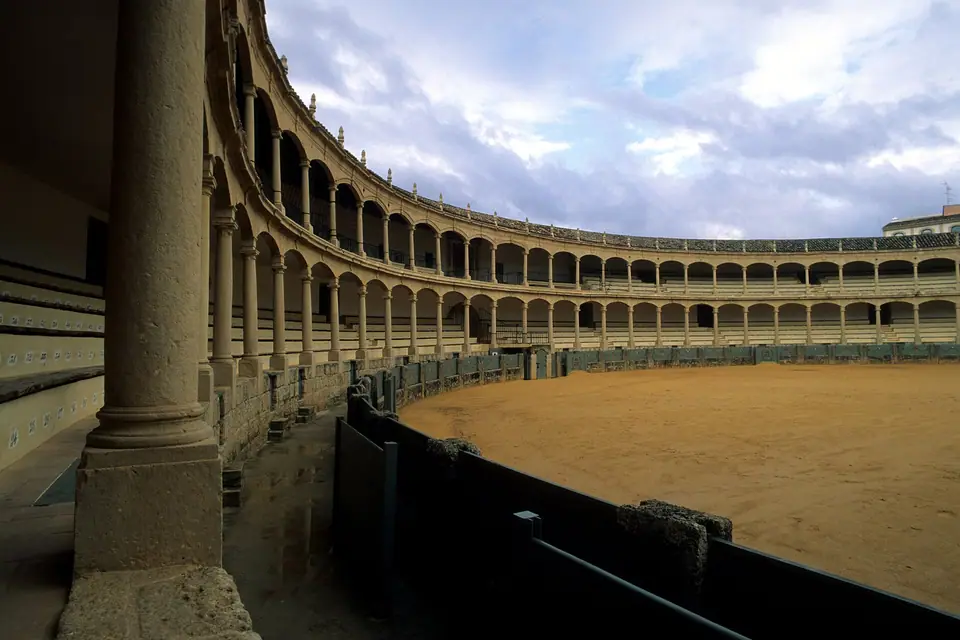
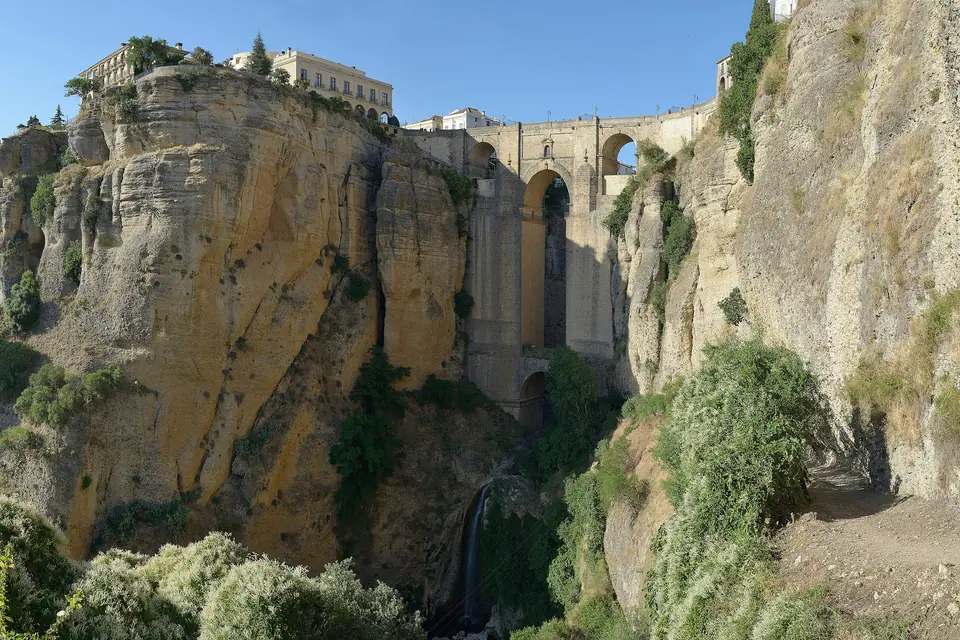
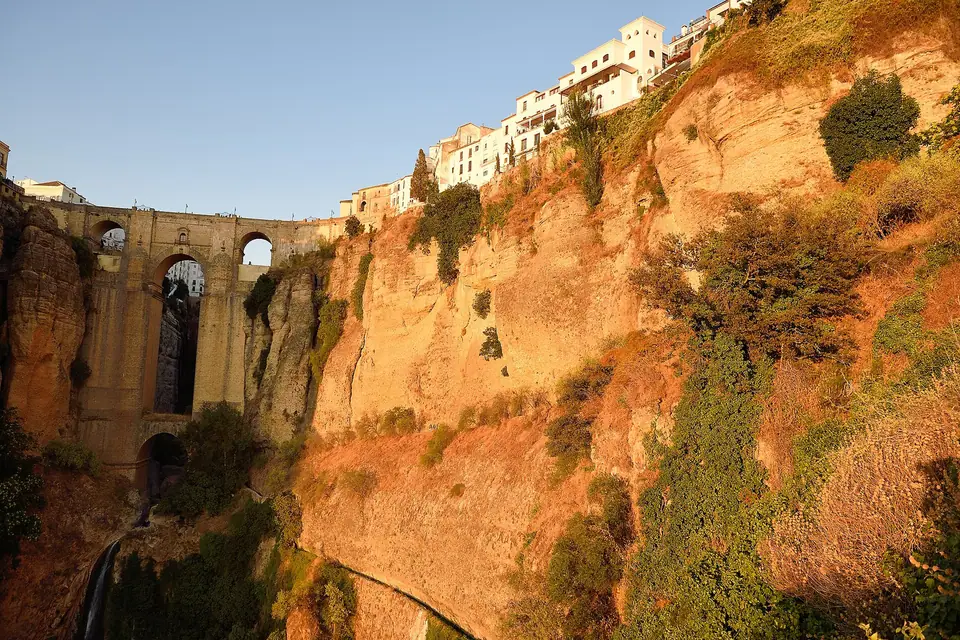
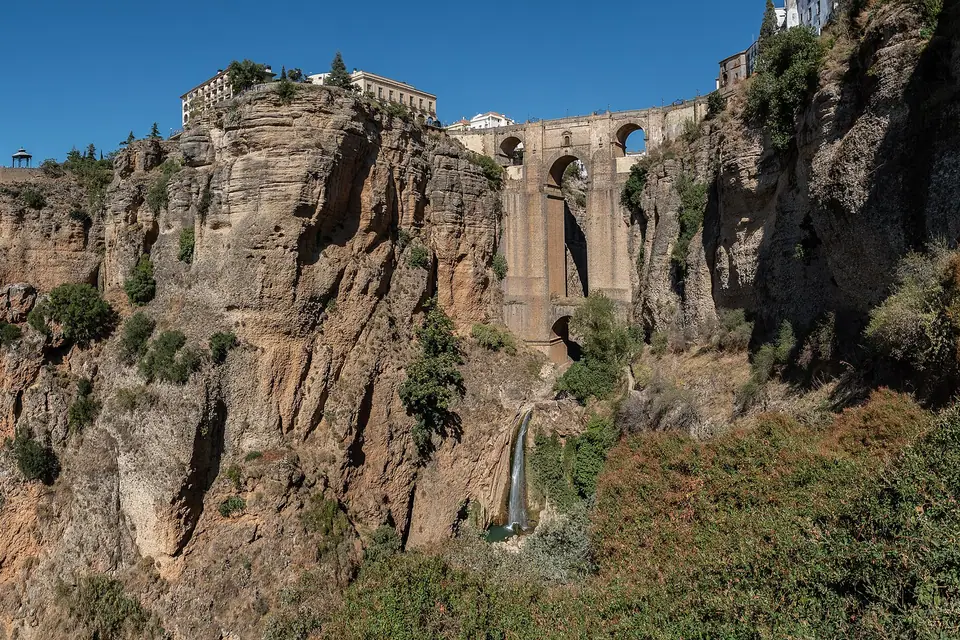
Ronda has 33,671 inhabitants (INE 2025) and covers 397.66 km². The Puente Nuevo and the bullring are 18th-century works by Martín de Aldehuela, and there are about 100 m beneath the bridge down to the Guadalevín river. The Arab baths were built in the late 13th century, and the Celts called the town Arunda in the 6th century BC. At the Hotel Reina Victoria-Husa, where Rilke stayed, his room, number 208, is kept as a museum.
Almost everything worth visiting in Ronda lies within a kilometre of the centre. There is the Bullring and its museum (from €10, 1 to 1.5 hours), the Mondragón Palace and the Casa del Rey Moro, with its gardens and the Mina (1 to 1.5 hours each), and the Arab Baths (from €4.5, half an hour to an hour). The bullring's official website warns of works in progress, so it is worth checking before you go.
For a full day: the bullring and the Arab Baths in the morning, the Casa del Rey Moro and Mondragón after lunch. If you prefer something active, the via ferrata on the Tajo takes 2 hours and costs from €40, and the balloon flight with breakfast leaves from the Almocábar gate, lasts 1.5 hours and costs from €205.
Two wineries with tastings complete the plan: one about 2.6 km from the centre in a straight line and another about 5.7 km away, both aimed at anyone arriving by car.
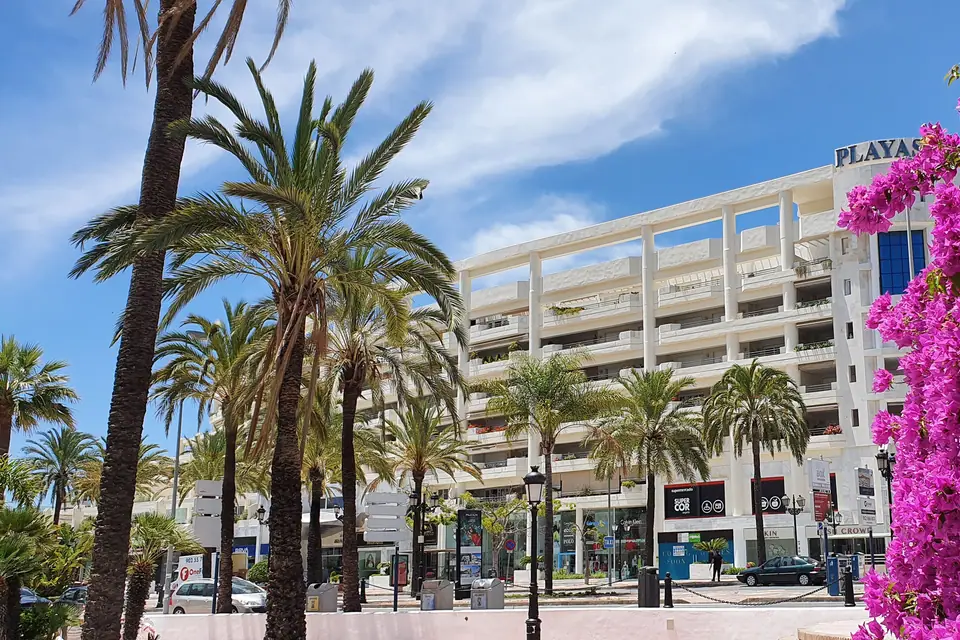
It is about 100 km from Malaga, with Avanza buses. Marbella is about 36 km away in a straight line, Estepona about 35 km and Casares about 34 km, which is why many visitors combine Ronda with a white village on the coast over two days.
Ayuntamiento de Ronda (Turismo de Ronda)
Well-preserved 13th-14th-century Arab baths beside the Guadalevín river.
A Forestier garden hanging above the gorge and the Mina, a Nasrid stairway down to the river.
Ayuntamiento de Ronda (Turismo de Ronda)
A palace of Nasrid origin with courtyards and gardens, home to the municipal museum.
Real Maestranza de Caballería de Ronda
One of Spain's oldest bullrings, with a museum, stables and audio guides in 13 languages.
About two hours of via ferrata in the Tajo gorge, from €40.
An hour and a half by balloon with cava, a picnic breakfast, video and certificate; from age 7.
A private visit with tasting at a former-convent winery by Ronda, led by the owners or the oenologist.
Bodega Los Frutales - Joaquín Fernández
A guided visit to an organic winery in the Serranía de Ronda with wine tasting, sometimes in a restaurant overlooking the vineyards.
In September, during the Feria de Pedro Romero (1–6 September in 2026), with the Corrida Goyesca on Saturday 5th.
See the Puente Nuevo from below and from above: it is about 100 m down to the Guadalevín. The Goyesca draws big crowds, so book ahead.
The stamp is the town; the dots are the experiences in and around it, in each category's colour.
Up to 12 km away in a straight line, closest first.
A one-hour guided visit, in groups of up to 20, through a cave with Palaeolithic rock art near Benaoján.
Junta de Andalucía (Espacios Naturales)
A classic trail from Puerto Saucillo to the 1,919 m Torrecilla peak, among Spanish firs, in the Sierra de las Nieves National Park.
Aventúrate Sierra de las Nieves
Canyon descents at levels I and II, from two to six hours, with abseils up to 67 m.
Three hours on a catamaran from Puerto Banús with drinks and snacks, and a chance of spotting dolphins.
Look for a place to stay in the town itself or right next to it. The links open searches on outside sites; compare price, location and terms first.
A few links are affiliate links; if you book through them we may earn a commission, at no cost to you. What affiliate links are
Ronda has 33,671 inhabitants (INE 2025) and covers 397.66 km². The Puente Nuevo and the bullring are 18th-century works by Martín de Aldehuela, and there are about 100 m beneath the bridge down to the Guadalevín river. The Arab baths were built in the late 13th century, and the Celts called the town Arunda in the 6th century BC. At the Hotel Reina Victoria-Husa, where Rilke stayed, his room, number 208, is kept as a museum. On Atlas de Málaga you find 8 experiences in the town, 4 close by: Arab Baths of Ronda, Casa del Rey Moro: gardens and the Mina, Mondragón Palace and Ronda Municipal Museum, Ronda Bullring and Real Maestranza Museum, Via ferrata on the Tajo of Ronda, Hot-air balloon flight over Ronda with breakfast.
In September, during the Feria de Pedro Romero (1–6 September in 2026), with the Corrida Goyesca on Saturday 5th.
See the Puente Nuevo from below and from above: it is about 100 m down to the Guadalevín. The Goyesca draws big crowds, so book ahead.
Written by us from these sources, consulted on 2026-11-21. Dates, opening times and bus lines change; check them before you set out.